
top quality tempered glass
Replacing a Pressure Valve on a Water Heater A Comprehensive Guide Water heaters are essential appliances in every household, providing hot water for various purposes. However, over time, these systems may develop issues that require maintenance or repair. One common problem is the pressure valve, which can fail due to wear and tear or blockages. If you're experiencing low water pressure or other symptoms, it's crucial to address the issue promptly. In this article, we'll guide you through the process of replacing a pressure valve on a water heater, ensuring that your system functions properly once again. Before starting, it's important to turn off the water heater and disconnect the power supply to avoid any accidents. Locate the pressure valve, which is usually located on the top or side of the tank. It's typically a small, threaded metal component with a spring-loaded mechanism that regulates water pressure. To remove the old pressure valve, use a wrench to loosen the nut that secures it to the tank. Once the nut is loose, carefully remove the valve by pulling it straight out. Be sure to catch any water that may spill out, as it can cause damage if it comes into contact with electrical components Be sure to catch any water that may spill out, as it can cause damage if it comes into contact with electrical components Be sure to catch any water that may spill out, as it can cause damage if it comes into contact with electrical components Be sure to catch any water that may spill out, as it can cause damage if it comes into contact with electrical components replacing pressure valve on water heater . Next, clean the threads of the new pressure valve and the tank opening to ensure a secure fit. Apply a thread sealant to the threads of the new valve to prevent leaks. Screw the new valve into place by hand, then tighten the nut securely using a wrench. After installing the new valve, turn the water back on and check for leaks. If everything looks good, turn the power back on and test the water pressure to ensure that the new valve is working correctly. In conclusion, replacing a pressure valve on a water heater is a relatively simple task that can be completed in just a few steps. By following these guidelines, you can restore proper water pressure to your home and ensure the continued reliability of your water heater. Remember to always consult a professional if you're unsure about how to perform this or any other maintenance task on your water heater.
about
top quality tempered glass
Understanding the Gate Valve A Focus on the 1 1/4 Inch Size Gate valves are a crucial component in a variety of piping systems, providing an effective means to start or stop the flow of liquids or gases. Among the various sizes available, the 1 1/4 inch gate valve occupies a significant position due to its versatility and efficiency. In this article, we will delve into the characteristics, applications, and advantages of the 1 1/4 inch gate valve. What is a Gate Valve? A gate valve is a type of valve that opens by lifting a rectangular or round gate out of the path of the fluid. The main function of a gate valve is to allow for either full flow or no flow when fully opened or closed, respectively. Unlike other valves, such as globe valves, gate valves are designed primarily for on/off control, meaning they are less effective in regulating flow. Characteristics of the 1 1/4 Inch Gate Valve The 1 1/4 inch gate valve is a popular choice for many industrial and residential applications. Its size strikes a balance between being compact enough for smaller pipelines while still providing adequate flow capacity. Typically, these valves are made from durable materials such as brass, stainless steel, or cast iron, which enhance their resilience and performance over time. One key characteristic of the 1 1/4 inch gate valve is the variety of connections available. Common connection types include threaded ends, flange ends, and welded ends. This flexibility allows for integration into various systems and piping configurations, facilitating ease of installation and adaptability. Applications gate valve 1 1 4 inch The 1 1/4 inch gate valve is utilized across a broad spectrum of applications. In residential settings, these valves often control water supplies in plumbing systems, allowing homeowners to easily manage water flow to different areas of their homes. In industrial settings, they are commonly used in water treatment plants, chemical processing, and HVAC systems due to their ability to handle high pressures and maintain flow efficiency. These valves are also found in fire protection systems, where their reliability is paramount. Gate valves are used to isolate segments of the piping system, ensuring that maintenance can be conducted without interrupting the water supply to other areas. Advantages The 1 1/4 inch gate valve comes with several advantages. Firstly, its design ensures minimal pressure drop when fully opened, allowing for maximum flow rates. This characteristic is particularly beneficial in applications where efficiency is critical. Secondly, the gate valve's ability to provide a tight seal when closed prevents leakage, making it an ideal choice for applications requiring complete shut-off. This feature enhances safety and functionality in various settings. Another benefit is the durability of materials used in constructing the 1 1/4 inch gate valve. With proper maintenance and suitable materials, these valves can have a long lifespan, reducing the frequency of replacements and lowering long-term costs. Conclusion In conclusion, the 1 1/4 inch gate valve serves as an indispensable component in many plumbing and industrial applications. Its reliability, efficient flow control, and versatility make it a preferred choice for professionals across various sectors. Understanding the specifications and benefits of the gate valve can help in making informed decisions in system design and maintenance. As industries continue to evolve, the importance of effective flow management will only increase, ensuring that gate valves remain a vital element in our infrastructure.
-

High quality industrial productsagement

High quality industrial products
View Details -

Meet the diverse needs of customers

Meet the diverse needs of customers
View Details -

Strict quality control

Strict quality control
View Details -

Top raw materials

Top raw materials
View Details -

Trusted supplier

Trusted supplier
View Details
Our application
news and information
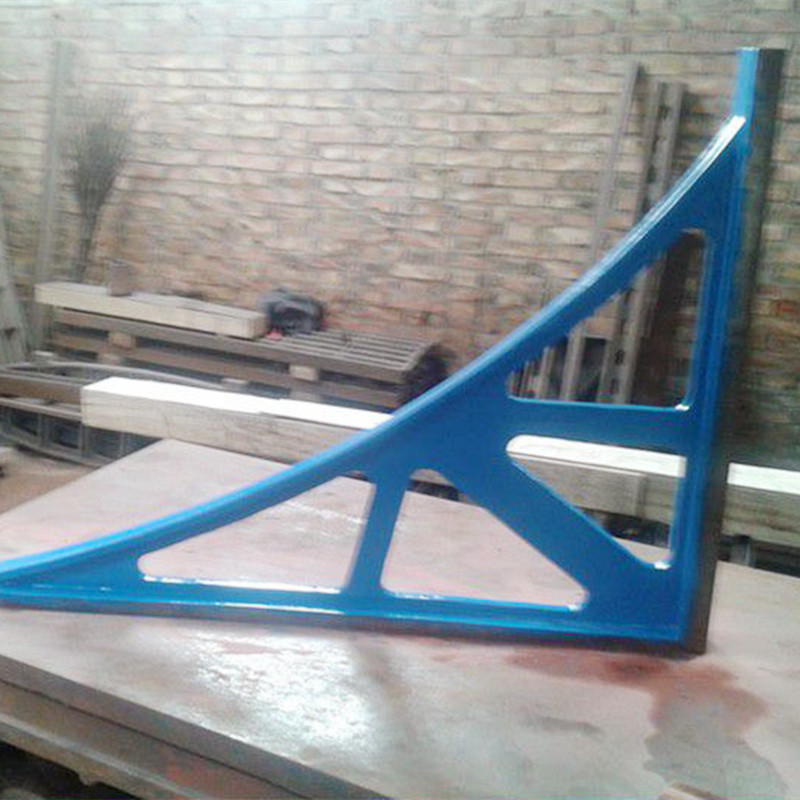
Water Flow Control Using Valve Mechanisms for Efficient Management
The Importance of Valve Water Management in Modern Industry In today's industrial landscape, effecti
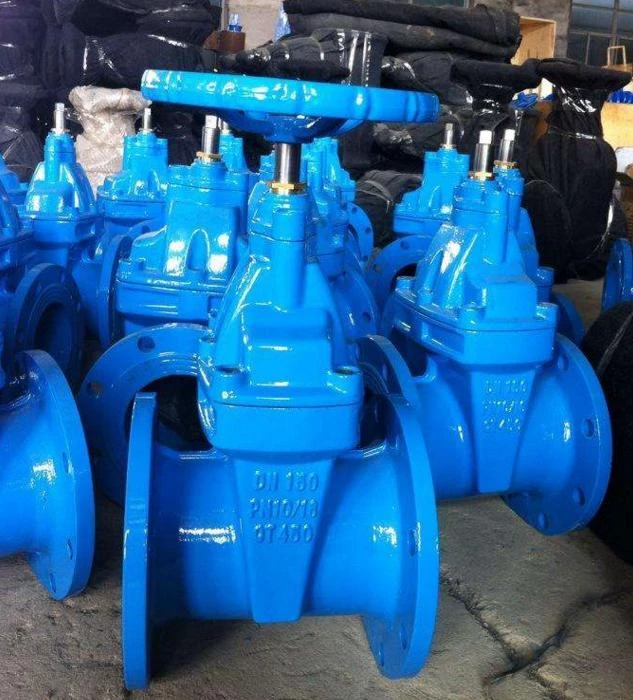
Welding Fabrication Techniques A Comprehensive Guide for Professionals
Understanding Welding Fabrication Tables A Key Tool for Precision and Efficiency Welding fabrication
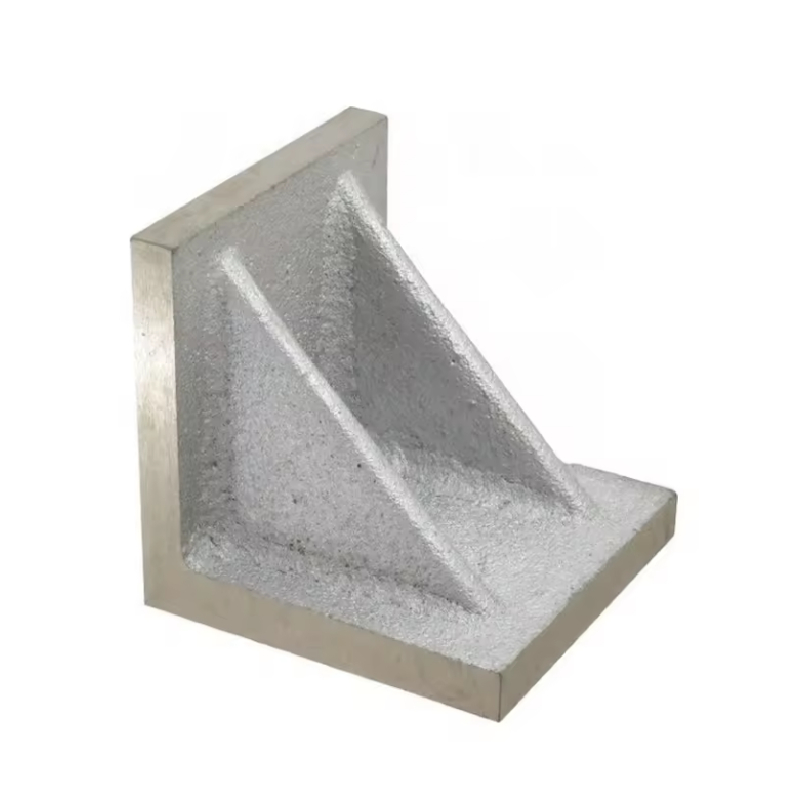
y Siebdampfabscheider
Der Y-Strainer ist ein wichtiges Bauteil in der industriellen Prozessindustrie, insbesondere in Damp
 English